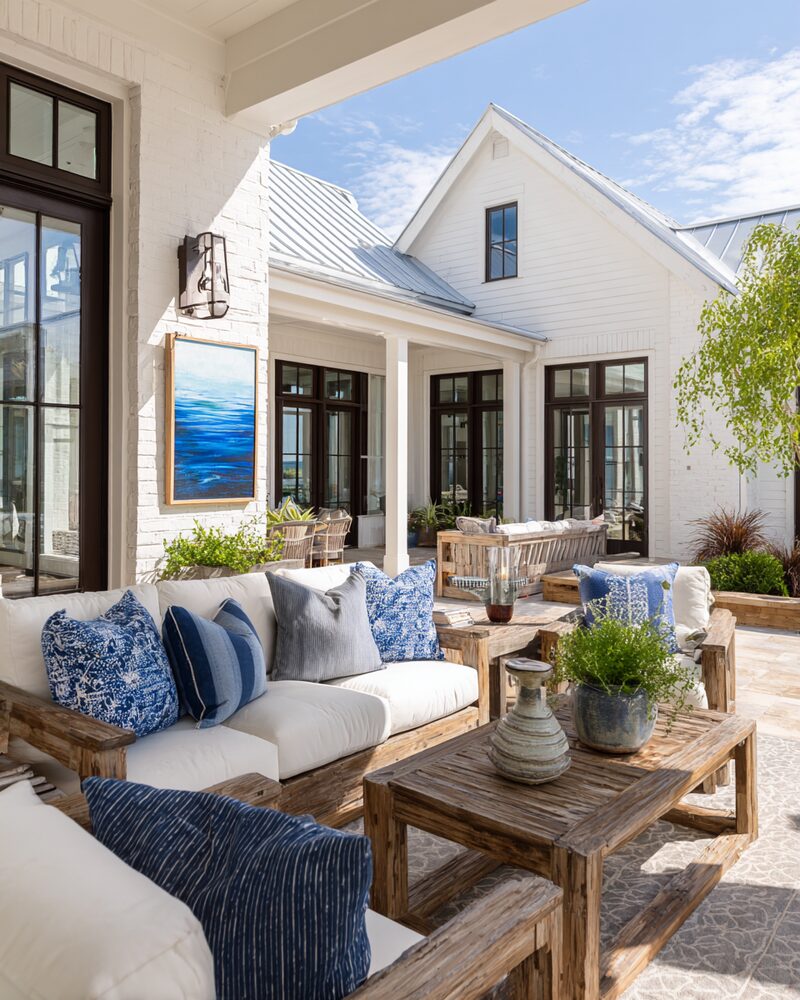
If you are thinking about buying or selling a home in Hall County GA, understanding the neighborhood DNA will keep you ahead of shifting trends and help you make decisions that matter for years. This guide breaks down the local signals that shape long term home value so both buyers and sellers can act with confidence whether you are focused on Gainesville, Flowery Branch, Hoschton, Lake Lanier areas, or any Hall County neighborhood.
What is neighborhood DNA and why it matters for Hall County real estate. Neighborhood DNA is a simple way to think about the combination of factors that create demand and resilience in a specific pocket of Hall County: school quality, commute times to major employment centers, housing stock age and condition, lot sizes and yard appeal, proximity to Lake Lanier and recreation, HOA rules and fees, and development plans. These elements together determine resale velocity, price per square foot, and long term desirability—critical for buyers, sellers, and investors alike.
Essential data points to map any Hall County neighborhood. When you evaluate a listing or prepare to list a home, focus on clear, measurable signals: recent comparable sales within one mile and six months, median days on market, inventory levels by price band, price per square foot trends, property tax history, school zone performance, and floodplain or conservation restrictions. Combining those with on the-ground checks such as home maintenance patterns and street-level curb appeal gives a complete picture of value drivers.
How buyers use neighborhood DNA to choose the right home in Hall County. Start with a prioritized list: top schools or fastest commute, access to Lake Lanier or greenspace, yard and lot requirements, and resale potential. Get preapproved, study comparable sales in the exact subdivision, and factor in micro-market differences—two blocks can mean a $20 to $50 per square foot swing in this county. Bring an inspector early, and use inspection findings as negotiation tools rather than surprises at closing.
How sellers translate neighborhood DNA into a winning listing strategy. Price to your immediate competitive set and present strong marketing that highlights local strengths: proximity to Lake Lanier, updated systems, remodeled kitchens, and outdoor living. Invest selectively in high ROI updates—paint, landscaping, minor kitchen and bath refreshes—and stage for local buyer expectations. Time your listing to seasonal windows that historically attract the most buyers in Hall County and lean into professional photography, floor plans, and neighborhood-level marketing that shows how your property fits the DNA of desirable streets.
Seasonal signals and the Lake Lanier effect. Hall County has cyclical demand tied to summer lake activity, school calendars, and local employment patterns. Lake proximity often adds a consistent premium, but it also introduces considerations like floodplain insurance and dock or riparian rules. In summer months expect stronger interest for lake access and houses with outdoor entertaining areas; in spring buyers often focus on school planning and move-in timelines. Understanding these rhythms will help you set price expectations and plan
